






“Companies that lack gender equality in their senior innovation management teams are missing out on one of the most crucial aspects of innovation: diverse perspectives!”
Research by Post, Lokshin, and Boone has highlighted the importance of diverse perspectives in senior innovation management teams. The presence of women in these teams can bring new insights and challenge the status quo, leading to a greater openness to change.
However, despite the potential benefits, women remain significantly underrepresented in C-suite positions. In 2024, women accounted for only 10.6% of Fortune 500 CEOs, approximately 15% of CFOs, and 28% of C-suite positions overall.
Despite these statistics, there is reason for optimism. The representation of women on company boards has been steadily increasing, rising from 20.6% in 2019 to 32.2% in 2024. The number of female CEOs in the Fortune 500 has also increased from 24 in 2016 to 53 in 2024. While progress has been slower than many would like, these trends are encouraging.
Research has consistently shown that boards with greater diversity, including gender, ethnicity, and age, can lead to increased profitability for companies. Here are a few reasons why:
- Diverse perspectives: When a board includes members with diverse backgrounds and experiences, they bring different perspectives and ideas to the table. This can lead to more creative and innovative solutions, which in turn can help the company stay competitive and adapt to changing market conditions.
- Better decision-making: Diverse boards tend to engage in more thorough discussions and debate before making decisions. This can help prevent groupthink and increase the likelihood that decisions will be based on a variety of viewpoints and information.
- Improved reputation: Companies with diversity at a senior level may be viewed more positively by customers, employees, and investors. This can lead to increased brand loyalty, improved recruitment and retention of talent, and more support from shareholders.
- Expanded market opportunities: Boards with diverse members may be better equipped to understand and serve a wider range of customers and stakeholders. This can help the company access new markets and identify new business opportunities.
While there is no guarantee that a diverse board will lead to increased profitability, research suggests that companies with diverse boards are more likely to perform well over the long term.
How do consumers dictate your company structure?
From another perspective, looking now at the consumer side, growing female participation in the purchasing decision-making has impacted how businesses design and define their offers.
Over the past few decades, there has been a significant increase in the buying power of women. This is largely as women globally have made great strides in education and the workforce, resulting in higher salaries and more disposable income. In addition, there has been a shift in societal attitudes towards gender roles, with women now more enabled to serve as primary breadwinners or sharing equal financial responsibility with their partners. This has led to an increase in women’s purchasing power and decision-making ability.
The rise of e-commerce and online shopping has also contributed to the increase in female buying power, as it has provided women with greater access to products and services, and the ability to compare prices and make more informed purchasing decisions.
Overall, the increase in female buying power has significant implications for businesses, as they must adapt their portfolio development, innovation, and sales strategies to cater to this growing demographic.
Research suggests that female entrepreneurs (or intrapreneurs) are less inclined to align themselves with an industry as part of their identity. This means if a business needs to pivot in disruption and develop into new markets quickly, there may be less reluctance to stick with ‘what you know’ and faster evolution.
Closing the loop, a changing market rooted in female participation would require more disruptive behaviour from companies, in which women are ready to lead.
In conclusion, companies that lack gender equality in their senior innovation management teams are missing out on the benefits of diverse perspectives. The underrepresentation of women in C-suite positions remains a significant issue, but the increasing representation of women on company boards and in CEO roles is a positive trend. It is important for companies to continue to prioritise gender equality in their leadership teams to drive innovation and growth.

How the Right Human Element Decides Who Wins the Innovation Race
Data Without Worldview is Meaningless

Innovation Strategies in Times of Scarcity
When scarcity reshapes the business landscape, how can innovation move forward?

Why your innovation team is no longer innovating
Why Innovation Teams Stop Innovating: The Core Business Trap

Sustainable Disruption
Sustainable Innovation Through Disruption: Breaking the Business-as-Usual Mould

Critical Friend: Accelerating Innovation
Critical Friend for Innovation: 7 Ways to Accelerate Business Growth

An observation about innovation collaborations
Why You Can't Outsource Strategic Innovation: The Collaboration Imperative

Why do we need diversity to drive innovation?
Why Gender Diversity Drives Innovation: Leadership Statistics and Business Benefits

7 insights for creating successful IoT products
7 Principles for Successful IoT Product Development Without Gimmicks

43 Quintillion Types of Innovation
43 Quintillion Types of Innovation: What Rubik's Cubes Teach Us About Problem-Solving

4 important ways to set your innovation team up for success
How to Set Up Your Innovation Team for Success: 4 Critical Factors

Our pavements will be crowded with robots
Delivery Robots on Pavements: Benefits, Challenges and Design Innovation

Rethinking Waste: When By-Products Become Resources
Rethinking Waste: Why By-Products Are Resources, Not Rubbish
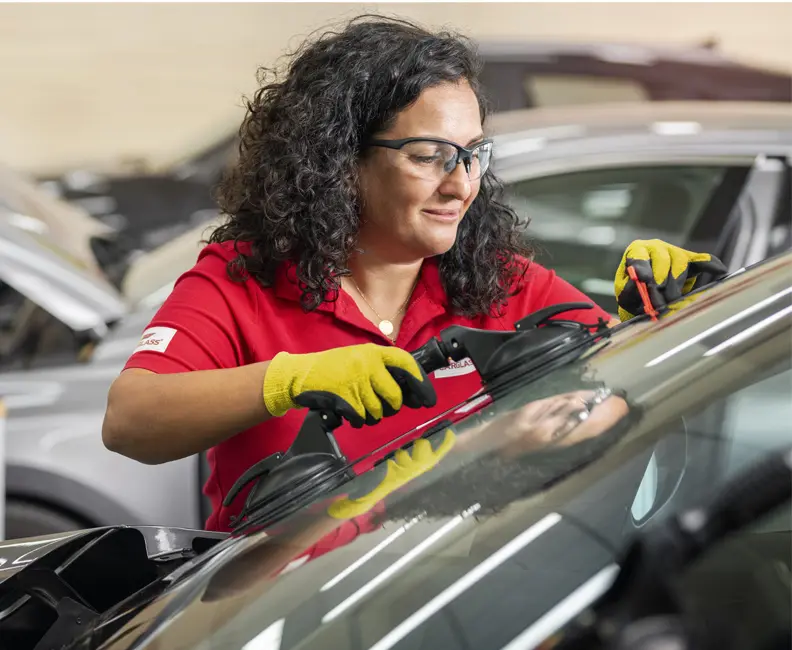
Innovation to reduce sharps hazards at Belron
A challenge was set by Belron’s global operations to make razor blades significantly safer, without compromising the quality of windscreen repairs.
Read More

From Insights to Strategy to Design with Spinbrush
Discover how we enabled Spinbrush to use consumer insights to innovate and excel in the competitive powered toothbrush market with our strategic approach.
Read More

The Future of Plastic Packaging for Klöckner Pentaplast
Exploring the future of fresh food packaging with Klöckner Pentaplast. Read how our innovative strategies helped balance enhancing sustainability whilst meeting consumer demands.
Read More

Facilitating CamelBak’s connected product innovation strategy
Facilitating CamelBak's strategic innovation shift towards connected products by hosting a Learning Exchange with industry experts, shaping a confident future direction for the brand's digital integration.
Read More

Strategic Alignment for Global Veterinary Brand, Vetoquinol
Discover how Ignite Exponential help Vetoquinol maintain market dominance with robust, innovative life cycle management planning.
Read More

New central innovation group for Pentland Brands
We rebuilt Pentland Brands' central innovation function, creating the structure, process and vision needed to drive transformative growth across Speedo, Berghaus, Endura and Mitre.
Read More

Driving growth & enhanced experience at Kimberly-Clark
We helped Kimberly-Clark learn from non-competing industry leaders about how best to drive sustainability transformation –and to build its own evidence-based transformation strategy.
Read More

Innovation Design: New technology to transform luxury products
Successfully integrating a new technology within a luxury brand's product line, significantly enhancing consumer experience and setting a benchmark for future energy-efficient innovations.
Read More

Expanding FemTech Innovation for MAS Holdings
We helped MAS Holdings' FemTech division Femography identify strategic brand partnerships to develop innovative technology platforms for washable absorbent underwear, maternity wear, and anti-flush menopause clothing across the feminine health market.
Read More

Transforming the product assembly experience with fitness giant, iFIT
Explore how we enhanced the product assembly experience by focusing on innovative techniques and user-centric strategies.
Read More

Revolutionising Cold Chain Logistics for Celsius
We helped Celsius revolutionise cold chain logistics by creating demonstration videos and interactive UI prototypes that secured investor funding and customer validation for their digital platform connecting food and pharmaceutical distributors with unused storage capacity.
Read More

Profiting From Spare Capacity
We helped a US electronic component manufacturer identify profitable new products to fill spare production capacity, auditing their capabilities, prioritising 10 market opportunities, and upskilling their engineering team to develop a new technology line.
Read More