






American inventor Thomas A. Edison once said: “To get a great idea, come up with lots of them.”
A rich source of diverse ideas is certainly an important part of successful and repeatable innovation. But when it comes to connected products especially, coming up with ideas is the easy part – the challenge is systematically judging which idea(s) to invest in.
So how do you confidently find the best connected offering for your brand? One that delivers benefits for your customers and delivers ROI for you. And crucially, isn’t a short-lived gimmick.
Here are some important principles for creating successful IoT offerings that endure:
- Know your purpose
Prioritise understanding what your purpose is, because this will dictate everything – from product development to finding the right partners to adjusting your internal structure and processes to fit. This goes much deeper than corporate aims. It’s about distilling how your brand can help consumers achieve their core Job to be Done (JTBD) – but in ways that are better, easier, faster or cheaper than today. A good starting point:
“What’s their purpose?”
It’s not guess work. It is important to be systematic, solution-agnostic and data-driven. Once you have the purpose, you can find connected value propositions consumers really care about.
- Don’t get blinded by technology
Although technology is undoubtedly crucial in developing new products it is important not to be distracted by it. Think of technology as the toolkit, rather than the objective. If you get the purpose and proposition right, customers won’t care how you deliver it. If you don’t get it right, the technology won’t matter…
Almost always there are several ways to use the toolkit to deliver on a new product – the development team’s job is to find one that works well enough as an enabler for the concept. One client described it perfectly:
“Technology has to give you something invisible that you can’t work out yourself.”
- Stay focused on your own brand
A vital part of any new business move is knowing what your competitors are doing. But don’t innovate looking over your shoulder as it’ll distract you from making your own progress.
Do the research, understand the landscape and take account of it in your plans. Then focus on your brand and creating a strong, repeatable pipeline. Don’t drive looking in the rear-view mirror.
- Value the physical
Despite the digital age we now live in, consumers still aspire to have something tangible that lasts. As one customer recently said:
“I’m in the digital world all the time and this [physical product] is my tether to the real world.”
IoT offerings have a unique opportunity to meet this desire by providing a meaningful physical product with a seamless digital connection – but to do so well requires careful design of the interface and user experiences generated. Consider separately the physical and digital interactions your customer will have with your product, as well as the touchpoints between them.
- Avoid barbed wire
What causes customers to stumble when they interact with your product? What are the hurdles to use and barriers to entry?
“Barbed wire” refers to interactions that make it hard for consumers to do something. No matter how trivial they seem, these points of friction add up to stop customers meeting their purpose. Design around or remove them.
- Test and adapt
As championed by Lean Start-up, no amount of prior analysis, consumer testing or deep thought will replace what you learn when you launch a product. And generally, the more breakthrough the idea for your business (and especially for your customer), the more this holds true. So, with IoT products, it’s no longer a case of developing the complete final solution before launch – get it as good as you can, then be prepared to test, launch, adapt, and innovate on a perpetual cycle that responds to the changing world around you.
Break the “launch and forget” mindset. Instead, cultivate an attitude that is prepared to continually “test and adapt”. Learn to operate in Beta mode, allowing for the regular release of new versions and gradual improvement of your product via remote maintenance and upgrades.
- Find your monetisation model
Consider the longer-term and non-monetary gains rather than immediate ROI when investing in IoT products, but that’s not an excuse for not having a solid business plan. This will look different depending on your market. Sometimes it’s an upfront purchase, other times it’s a subscription fee – and some with a combination of the two. For most connected products, so-called “freemium” models are great for driving high adoption rates and large networks, but for most businesses are difficult to convert to revenue.
You’ll need to be equally creative and analytical to find the model that’s the best fit for you.

How the Right Human Element Decides Who Wins the Innovation Race
Data Without Worldview is Meaningless
Innovation Strategies in Times of Scarcity
When scarcity reshapes the business landscape, how can innovation move forward?
Why your innovation team is no longer innovating
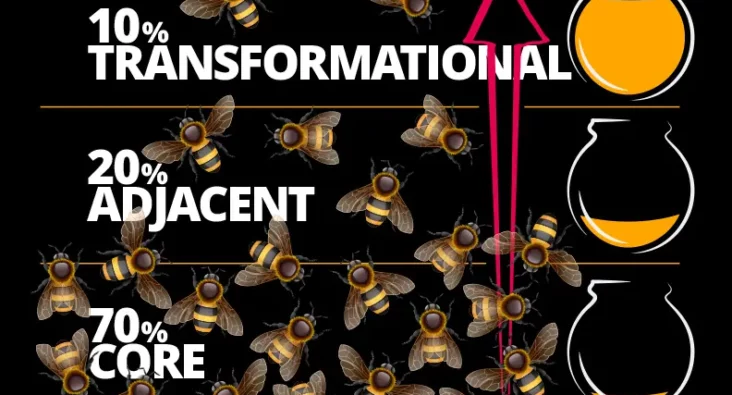
Why Innovation Teams Stop Innovating: The Core Business Trap

Sustainable Disruption
Sustainable Innovation Through Disruption: Breaking the Business-as-Usual Mould

Critical Friend: Accelerating Innovation
Critical Friend for Innovation: 7 Ways to Accelerate Business Growth

An observation about innovation collaborations
Why You Can't Outsource Strategic Innovation: The Collaboration Imperative

Why do we need diversity to drive innovation?
Why Gender Diversity Drives Innovation: Leadership Statistics and Business Benefits

7 insights for creating successful IoT products
7 Principles for Successful IoT Product Development Without Gimmicks

43 Quintillion Types of Innovation
43 Quintillion Types of Innovation: What Rubik's Cubes Teach Us About Problem-Solving

4 important ways to set your innovation team up for success
How to Set Up Your Innovation Team for Success: 4 Critical Factors
Our pavements will be crowded with robots
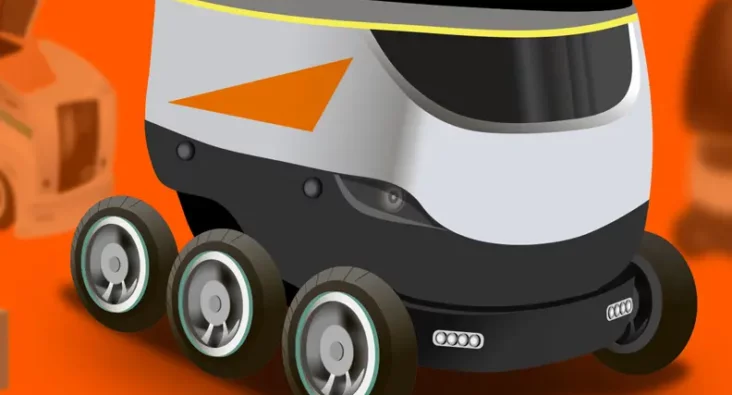
Delivery Robots on Pavements: Benefits, Challenges and Design Innovation

Rethinking Waste: When By-Products Become Resources
Rethinking Waste: Why By-Products Are Resources, Not Rubbish

Innovation to reduce sharps hazards at Belron
A challenge was set by Belron’s global operations to make razor blades significantly safer, without compromising the quality of windscreen repairs.
Read More

From Insights to Strategy to Design with Spinbrush
Discover how we enabled Spinbrush to use consumer insights to innovate and excel in the competitive powered toothbrush market with our strategic approach.
Read More

The Future of Plastic Packaging for Klöckner Pentaplast
Exploring the future of fresh food packaging with Klöckner Pentaplast. Read how our innovative strategies helped balance enhancing sustainability whilst meeting consumer demands.
Read More

Facilitating CamelBak’s connected product innovation strategy
Facilitating CamelBak's strategic innovation shift towards connected products by hosting a Learning Exchange with industry experts, shaping a confident future direction for the brand's digital integration.
Read More

Strategic Alignment for Global Veterinary Brand, Vetoquinol
Discover how Ignite Exponential help Vetoquinol maintain market dominance with robust, innovative life cycle management planning.
Read More

New central innovation group for Pentland Brands
We rebuilt Pentland Brands' central innovation function, creating the structure, process and vision needed to drive transformative growth across Speedo, Berghaus, Endura and Mitre.
Read More

Driving growth & enhanced experience at Kimberly-Clark
We helped Kimberly-Clark learn from non-competing industry leaders about how best to drive sustainability transformation –and to build its own evidence-based transformation strategy.
Read More

Innovation Design: New technology to transform luxury products
Successfully integrating a new technology within a luxury brand's product line, significantly enhancing consumer experience and setting a benchmark for future energy-efficient innovations.
Read More
Expanding FemTech Innovation for MAS Holdings
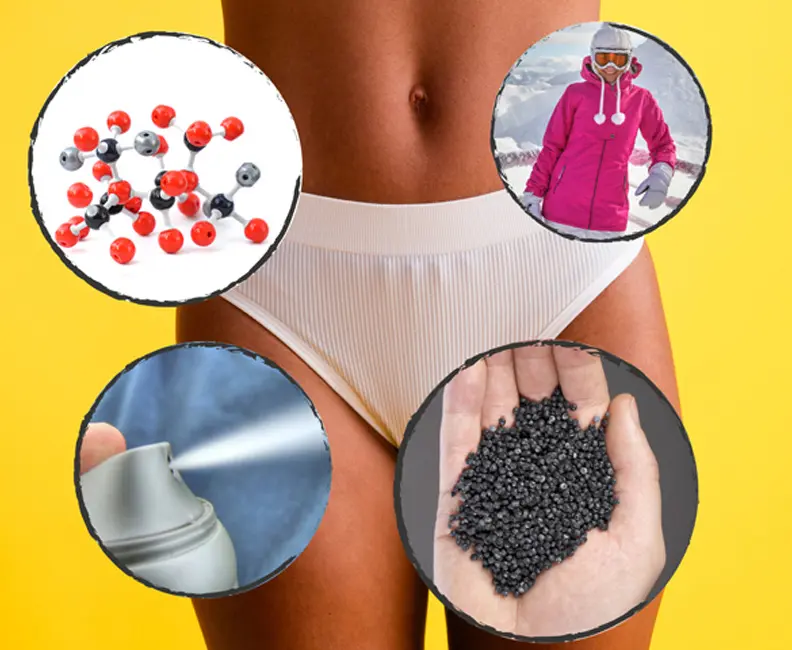
We helped MAS Holdings' FemTech division Femography identify strategic brand partnerships to develop innovative technology platforms for washable absorbent underwear, maternity wear, and anti-flush menopause clothing across the feminine health market.
Read More

Transforming the product assembly experience with fitness giant, iFIT
Explore how we enhanced the product assembly experience by focusing on innovative techniques and user-centric strategies.
Read More

Revolutionising Cold Chain Logistics for Celsius
We helped Celsius revolutionise cold chain logistics by creating demonstration videos and interactive UI prototypes that secured investor funding and customer validation for their digital platform connecting food and pharmaceutical distributors with unused storage capacity.
Read More
Profiting From Spare Capacity
We helped a US electronic component manufacturer identify profitable new products to fill spare production capacity, auditing their capabilities, prioritising 10 market opportunities, and upskilling their engineering team to develop a new technology line.
Read More