




As we all become more knowledgeable about how to conduct our lives in a more sustainable way, the complexity of sustainability becomes more apparent. In this article, we question ‘waste’ and how we approach the concept of what is waste:
When the first LED traffic lights were installed on roads, the public planners surely patted themselves on the back for saving the council money on their energy bill. LEDs use less power than halogen or fluorescent lights, for the same brightness of light, so the new LEDs were expected to prevent wasted energy. The problem only became apparent when winter came and temperatures dropped. Perhaps you can guess what happened when snow started to land on the lights?
It turns out, light was not the only thing the old ‘wasteful’ bulbs were using power for. Light was just their primary function. That extra power that the old bulbs were using was dissipated as heat, which was useless in the summer but melted the ice and snow in the winter. The LEDs did not produce enough heat, so the traffic lights became completely obscured by snow.
In machinist workshops, guides often point out the piles of swarf that come off the machines. The primary product produced in any machinist’s is not the parts ordered by their customers, but swarf. By weight, there is more swarf and scrap produced in the machining process than useable parts. But it’s not wasted. The swarf is collected, kept separately according to the grade of material, and sold on to be recycled into new billets.
There’s a persistent myth that cheap cider is made from the apple cores left over from making more expensive cider. There’s a certain logic to this myth that makes it an appealing factoid for pub banter, but in fact, all cider is made using whole, un-cored apples. However, it is true that fruit is graded after it is picked, to determine where to send it. Only the best fruit, free from bruises and blemishes, is destined for a fruit bowl in someone’s home. Lower grades of fruit are used to make canned fruit, frozen fruit, jam, juice, and other products where the appearance will not be judged by consumers.
Waste or resource?
Recycling-sceptic economist Michael Munger defines “garbage” as anything that you don’t want, which no one will pay you for. Clearly swarf and ugly fruit do not meet this definition, so Munger would categorise them as resources. The same can be said of all the cuts of meat that humans don’t like to eat, (tongues, ears, snouts etc.) which make perfectly adequate dog food.
Amongst the cultural and political attempts to limit the amount of waste sent to landfill, it’s comforting to remember how much has been achieved already in reducing waste, without even trying to. Manufacturers have a profit incentive to sell the by-products of their manufacturing, or to find a use for them, so they often do.
Love it or hate it, Marmite Yeast Extract is made from the by-products of brewing beer!
Even horse manure, dropped haphazardly in the middle of the road, was once a valuable resource. Anecdotal history tells of times, not too long ago, when people would hurry out the door to beat their neighbours to a fresh pile left by a passing carriage. They used it for fertiliser or burnt it for fuel. To this day, farmers buy and sell animal waste to use as fertiliser.
What about Plastic?
Plastic is the super-villain of the single-use economy, but we only use plastic to manufacture single-use products because it’s cheap, and plastic is cheap because it is made from the by-products of refining crude oil into fuels. Plastic is so cheap that there is very little profit incentive to recycle it. That means instead of plastic manufacturers knocking on your door to pay you for your old cream-cheese tub, you have to wash it and recycle it out of the goodness of your heart. Even then, it often costs more money to collect and sort the recycled plastic than it costs to extract the resources from crude oil by-products.
For many years, China was the primary buyer for used plastic from all over the world, but they stopped in January 2018. The aftermath has been complex. The UK now exports about half its plastic waste, increasingly to non-OECD countries like Indonesia, Malaysia, Vietnam, and Türkiye. Meanwhile, domestic recycling infrastructure is struggling. Over 300,000 tonnes per year of mechanical recycling capacity closed in Europe in 2024, with similar losses expected in 2025. The UK’s plastic packaging recycling rate has fallen from 52.5% in 2023 to 51-53.7% in 2024.
The challenge has intensified because virgin plastic from China is now cheaper than recycled material, undermining the economic case for recycling. The UK introduced a plastic packaging tax in April 2022 to encourage recycled content, but the £223 per tonne levy hasn’t been sufficient to close the price gap between virgin and recycled plastics.
Discarded plastic may be going through the same de-valuing process that manure once did; going from “resource that I can use or sell” to “something someone will take off my hands for free at a large scale” to eventually “something I have to pay someone to take away for me.”
How to change your approach
When designing the layout of an office, where should you put the toilets, the coffee machine, and the printer? You might be tempted to minimise the amount of walking that staff must do, but walking is good exercise. Having a short walk after sitting at a desk can increase your heartrate and blood-flow, which might improve your mood and make you more productive, or even inspire you to be more innovative. Perhaps the optimal location for the coffee machine or water-cooler might be at the top of a long flight of stairs, or the bottom of sun-lit garden path. This involves hitting the challenge with a different set of parameters – what is really important? And this is the question for all companies who are on a sustainability journey. A brilliant recent example of hitting a challenge sideways is from start-up Deep Green, who are using the waste heat from their data centres to heat public swimming pools. Following a £200 million investment from Octopus Energy in 2024, they’re now expanding this model to around 150 swimming pools across the UK. Too often companies try to find a solution in a silo – it takes an industry, a community or a network to create true business and environmental sustainability.
Be careful when you define “waste,” or you may be throwing out the baby with the bath water!

How the Right Human Element Decides Who Wins the Innovation Race
Data Without Worldview is Meaningless
Innovation Strategies in Times of Scarcity
When scarcity reshapes the business landscape, how can innovation move forward?
Why your innovation team is no longer innovating
Why Innovation Teams Stop Innovating: The Core Business Trap
Sustainable Disruption
Sustainable Innovation Through Disruption: Breaking the Business-as-Usual Mould

Critical Friend: Accelerating Innovation
Critical Friend for Innovation: 7 Ways to Accelerate Business Growth

An observation about innovation collaborations
Why You Can't Outsource Strategic Innovation: The Collaboration Imperative

Why do we need diversity to drive innovation?
Why Gender Diversity Drives Innovation: Leadership Statistics and Business Benefits
7 insights for creating successful IoT products
7 Principles for Successful IoT Product Development Without Gimmicks

43 Quintillion Types of Innovation
43 Quintillion Types of Innovation: What Rubik's Cubes Teach Us About Problem-Solving

4 important ways to set your innovation team up for success
How to Set Up Your Innovation Team for Success: 4 Critical Factors
Our pavements will be crowded with robots
Delivery Robots on Pavements: Benefits, Challenges and Design Innovation

Rethinking Waste: When By-Products Become Resources
Rethinking Waste: Why By-Products Are Resources, Not Rubbish
Innovation to reduce sharps hazards at Belron
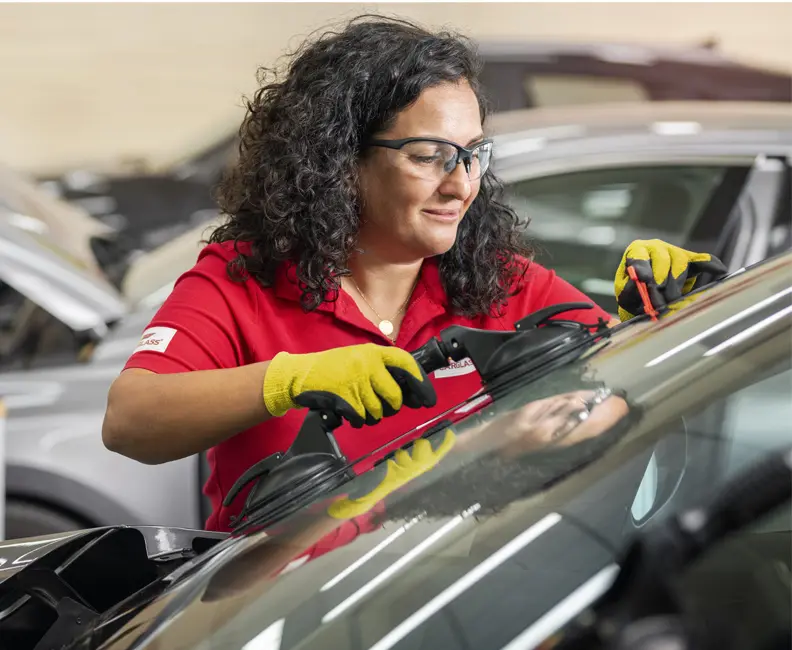
A challenge was set by Belron’s global operations to make razor blades significantly safer, without compromising the quality of windscreen repairs.
Read More

From Insights to Strategy to Design with Spinbrush
Discover how we enabled Spinbrush to use consumer insights to innovate and excel in the competitive powered toothbrush market with our strategic approach.
Read More
The Future of Plastic Packaging for Klöckner Pentaplast
Exploring the future of fresh food packaging with Klöckner Pentaplast. Read how our innovative strategies helped balance enhancing sustainability whilst meeting consumer demands.
Read More

Facilitating CamelBak’s connected product innovation strategy
Facilitating CamelBak's strategic innovation shift towards connected products by hosting a Learning Exchange with industry experts, shaping a confident future direction for the brand's digital integration.
Read More

Strategic Alignment for Global Veterinary Brand, Vetoquinol
Discover how Ignite Exponential help Vetoquinol maintain market dominance with robust, innovative life cycle management planning.
Read More

New central innovation group for Pentland Brands
We rebuilt Pentland Brands' central innovation function, creating the structure, process and vision needed to drive transformative growth across Speedo, Berghaus, Endura and Mitre.
Read More

Driving growth & enhanced experience at Kimberly-Clark
We helped Kimberly-Clark learn from non-competing industry leaders about how best to drive sustainability transformation –and to build its own evidence-based transformation strategy.
Read More

Innovation Design: New technology to transform luxury products
Successfully integrating a new technology within a luxury brand's product line, significantly enhancing consumer experience and setting a benchmark for future energy-efficient innovations.
Read More
Expanding FemTech Innovation for MAS Holdings
We helped MAS Holdings' FemTech division Femography identify strategic brand partnerships to develop innovative technology platforms for washable absorbent underwear, maternity wear, and anti-flush menopause clothing across the feminine health market.
Read More

Transforming the product assembly experience with fitness giant, iFIT
Explore how we enhanced the product assembly experience by focusing on innovative techniques and user-centric strategies.
Read More

Revolutionising Cold Chain Logistics for Celsius
We helped Celsius revolutionise cold chain logistics by creating demonstration videos and interactive UI prototypes that secured investor funding and customer validation for their digital platform connecting food and pharmaceutical distributors with unused storage capacity.
Read More

Profiting From Spare Capacity
We helped a US electronic component manufacturer identify profitable new products to fill spare production capacity, auditing their capabilities, prioritising 10 market opportunities, and upskilling their engineering team to develop a new technology line.
Read More