
Why disruption is the answer to a sustainable future
The greatest challenge facing innovators today is sustainability. But while it’s just one word, the concept, demands and implications are far from simple.
This complexity is perhaps best illustrated by a couple of examples:
Which is the most sustainable – a cucumber in plastic wrapping or one sold ‘naked’? Surely, it’s the naked one. But no, not necessarily. Because while there’s no single-use plastic, it’ll be rotten three times faster than the wrapped one. If it was a country, food waste would be the world’s third biggest carbon emitter.
What about a reusable cotton bag versus a plastic one? Again, the cotton bag seems the obvious answer. If it’s reused over a long period of time, then yes. But it has a higher carbon footprint, so it needs to be used 130 times before it’s as environmentally efficient as a plastic bag. This increases to 393 times if the plastic bag is reused just three times.
But even in the complexity, there is hope of a way forward.
Defining a sustainable future
Ultimately for something to be sustainable, it means it can continue indefinitely. Which is why we’ve seen such a focus on finite versus renewable/reusable resources in recent years. However, the concept of sustainability goes much further than this.
The famous 1987 Brundtland report, Our Common Future, defined it as: “development that meets the needs of the present without compromising the ability of future generations to meet their own needs”.
So essentially, it’s progress that considers not only a wide range of criteria – environmental, social, economic, health and more – but also the long-term ramifications of decisions made. A sustainable today AND a sustainable future.
Why it’s a challenge for now
Rising wealth – and everything needed to meet this accelerating consumption – means that we’re now exceeding the earth’s resources. Climate change, caused by our ever-growing CO2 emissions, is triggering unpredictable weather patterns worldwide. We’re also witnessing a huge loss of biodiversity and indigenous ecosystems globally as economic gains are prioritised over environmental and social benefits.
In short, as each day and year passes, these problems get worse. We just don’t have the luxury to wait. So even though we don’t yet fully understand all the challenges, and despite the complexities we face in finding solutions, we need to find a viable way forward right now.
Consumers want change too
80% of consumers now consider sustainability when considering which brands to purchase, with many willing to pay an average of 9.7% more for sustainably produced goods. Plus, with the rising influence of Gen Z – currently 40% of US consumers and 23% of the global population, with spending power expected to grow to $12 trillion by 2030 – the desire to have a positive personal impact will increasingly affect lifestyle and purchasing choices.
As a result, 97% of CEOs now believe that sustainability is crucial to their future success.
So, if it can’t just be business as usual, we need creative solutions – and this is the realm where innovators truly flourish.
Using disruption to break the mould
If we need to move the world away from a linear ‘take-make-waste’ model of consumption to one that is sustainable, disruptive innovation offers a way to kickstart the process.
It significantly alters the way in which consumers, industries or businesses operate by offering an alternative solution – which may be technically superior, at a lower cost, more widely available and/or meeting a different need. Disruptive technologies deliberately target the bottom of the market (the customers that incumbent providers don’t care much about), gradually improving their offering and moving upmarket to displace the incumbent’s share.
It’s not about ‘better’ technologies per se (e.g. higher quality, more performance etc). They don’t disrupt the market; they just build on it and are what the incumbent companies will tend to focus on – i.e. ‘sustaining technologies’. Instead, it’s about how the technology introduced enables new adoption, business models and behaviour. A useful formula for understanding disruption:
New entrant + target non/poor-customers + new business model = disruption
Streaming giant Netflix is a great example of this. It started at the bottom of the market providing an online ordering service for mail-delivery of rental DVDs, something that only appealed to limited customer groups (most of us carried on going to Blockbuster) … and now it has totally transformed the home entertainment industry.
This is why disruptive innovation offers hope in the search for true sustainability. It provides a mechanism for tipping the balance of the status quo into a major paradigm shift.
Finding sustainable disruptive solutions
Find a framework for your business that actively explores some key levers that help to holistically assess sustainability. By making sure factors such as durability, waste reduction, and material sourcing are considered at the innovation stage, you can see where the opportunities for sustainable disruptive technologies lie.
Another important perspective is working with what’s available – in other words, adopting a ‘scarcity’ mindset (as opposed to an ‘abundance’ mindset where we start with a blank canvas). One of the most powerful ways to do this is to use the ‘4As Framework for Innovation in Scarcity’ which covers Availability, Affordability, Acceptability, and Awareness. By starting with the energy, materials and finances that we actually have, we’re far more likely to identify workable and scalable solutions that meet sustainable parameters.
It also means that ‘waste’ becomes a much more valuable commodity. Rather than just ignoring it as an inevitable by-product, our ‘scarcity’ mindset instead asks ‘how can I monetise this?’. Consider examples like using scrap on the factory floor as the ballast needed to stabilise a new fan heater design; or Apple using waste metal from the iMac monitor to construct the keyboard.
A new mindset
We need to look beyond our own factories and companies and collaborate to see where mutually beneficial sustainable solutions exist. McDonald’s coffee grounds being repurposed to make light covers for Ford is a brilliant example.
But to get there, we need a different perspective. Instead of just thinking about our narrow piece of the supply chain, we must look horizontally – to open our eyes to the vast array of parallel supply chains, industries and needs around us and how it might all join up. These potential new ‘ecosystems’ are where the disruptive solutions to the sustainability crisis will be found.
However, making these changes takes a big cultural shift and new processes. One way to help companies adapt is by connecting leaders in similar situations via a ‘learning exchange’.
As Einstein reputedly said: “You can’t solve a problem with the same thinking that created it.”
Three principles for sustainable disruption
If disruptive innovation is to offer the world an answer to finding a sustainable future, three important conclusions to consider:
Don’t focus on better performance than the incumbents. You only need to be good enough to drive adoption and enable the new sustainable business model. There is no ‘waste’, only unrealised value. Look horizontally to seek out collaboration and learning exchanges, rather than vertically within your own industry.

How the Right Human Element Decides Who Wins the Innovation Race
Data Without Worldview is Meaningless
Innovation Strategies in Times of Scarcity
When scarcity reshapes the business landscape, how can innovation move forward?
Why your innovation team is no longer innovating
Why Innovation Teams Stop Innovating: The Core Business Trap
Sustainable Disruption
Sustainable Innovation Through Disruption: Breaking the Business-as-Usual Mould
Critical Friend: Accelerating Innovation
Critical Friend for Innovation: 7 Ways to Accelerate Business Growth

An observation about innovation collaborations
Why You Can't Outsource Strategic Innovation: The Collaboration Imperative
Why do we need diversity to drive innovation?
Why Gender Diversity Drives Innovation: Leadership Statistics and Business Benefits
7 insights for creating successful IoT products
7 Principles for Successful IoT Product Development Without Gimmicks
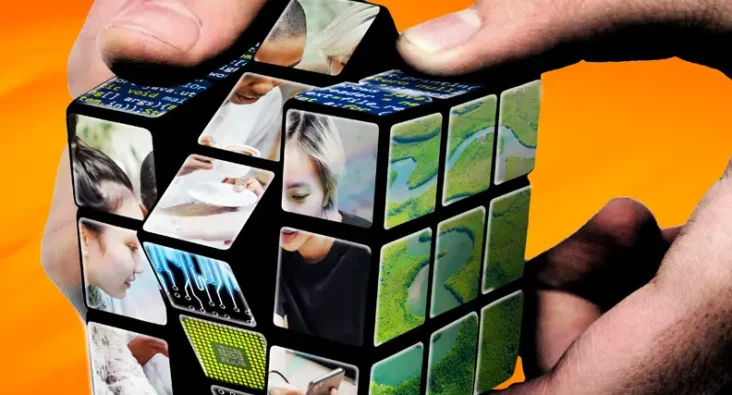
43 Quintillion Types of Innovation
43 Quintillion Types of Innovation: What Rubik's Cubes Teach Us About Problem-Solving

4 important ways to set your innovation team up for success
How to Set Up Your Innovation Team for Success: 4 Critical Factors
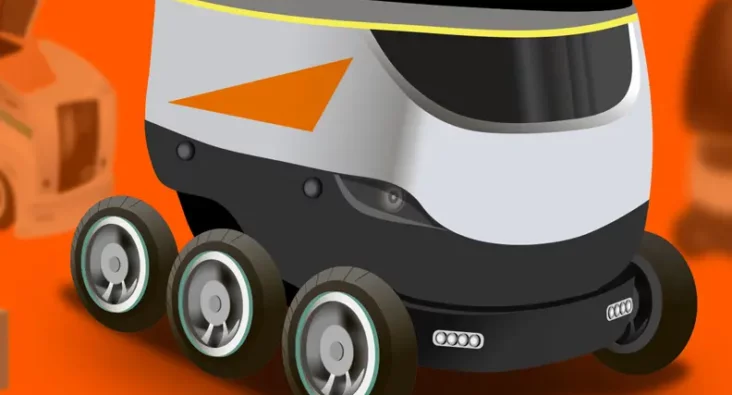
Our pavements will be crowded with robots
Delivery Robots on Pavements: Benefits, Challenges and Design Innovation

Rethinking Waste: When By-Products Become Resources
Rethinking Waste: Why By-Products Are Resources, Not Rubbish
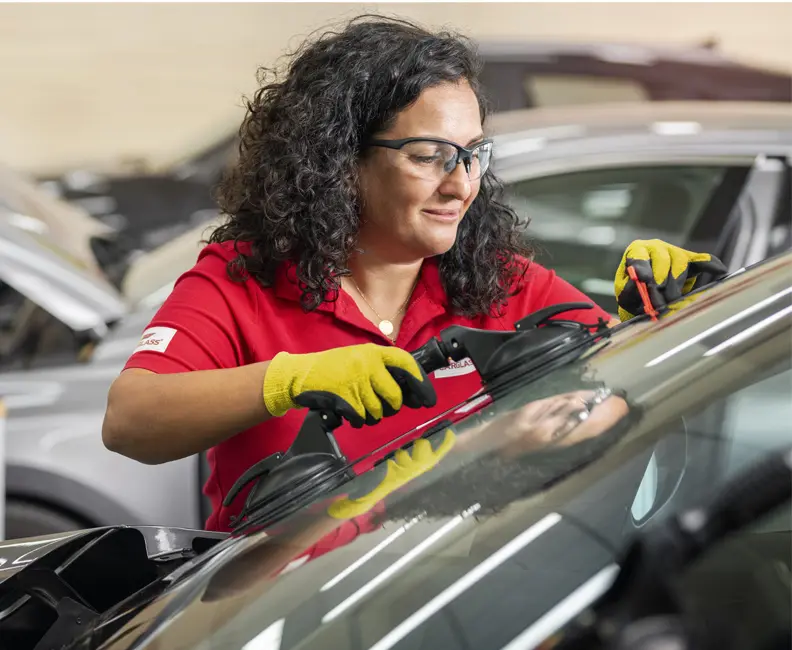
Innovation to reduce sharps hazards at Belron
A challenge was set by Belron’s global operations to make razor blades significantly safer, without compromising the quality of windscreen repairs.
Read More

From Insights to Strategy to Design with Spinbrush
Discover how we enabled Spinbrush to use consumer insights to innovate and excel in the competitive powered toothbrush market with our strategic approach.
Read More

The Future of Plastic Packaging for Klöckner Pentaplast
Exploring the future of fresh food packaging with Klöckner Pentaplast. Read how our innovative strategies helped balance enhancing sustainability whilst meeting consumer demands.
Read More

Facilitating CamelBak’s connected product innovation strategy
Facilitating CamelBak's strategic innovation shift towards connected products by hosting a Learning Exchange with industry experts, shaping a confident future direction for the brand's digital integration.
Read More
Strategic Alignment for Global Veterinary Brand, Vetoquinol
Discover how Ignite Exponential help Vetoquinol maintain market dominance with robust, innovative life cycle management planning.
Read More

New central innovation group for Pentland Brands
We rebuilt Pentland Brands' central innovation function, creating the structure, process and vision needed to drive transformative growth across Speedo, Berghaus, Endura and Mitre.
Read More

Driving growth & enhanced experience at Kimberly-Clark
We helped Kimberly-Clark learn from non-competing industry leaders about how best to drive sustainability transformation –and to build its own evidence-based transformation strategy.
Read More

Innovation Design: New technology to transform luxury products
Successfully integrating a new technology within a luxury brand's product line, significantly enhancing consumer experience and setting a benchmark for future energy-efficient innovations.
Read More
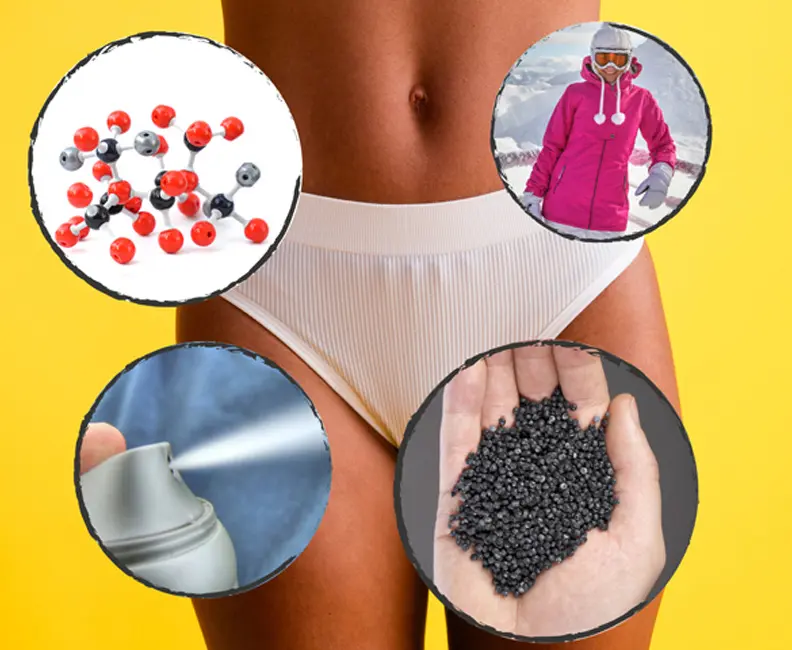
Expanding FemTech Innovation for MAS Holdings
We helped MAS Holdings' FemTech division Femography identify strategic brand partnerships to develop innovative technology platforms for washable absorbent underwear, maternity wear, and anti-flush menopause clothing across the feminine health market.
Read More
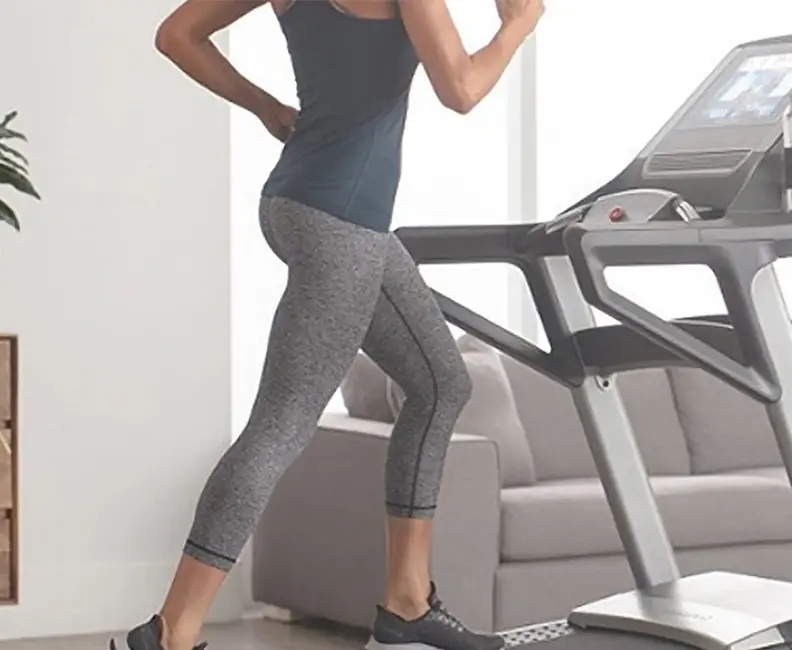
Transforming the product assembly experience with fitness giant, iFIT
Explore how we enhanced the product assembly experience by focusing on innovative techniques and user-centric strategies.
Read More

Revolutionising Cold Chain Logistics for Celsius
We helped Celsius revolutionise cold chain logistics by creating demonstration videos and interactive UI prototypes that secured investor funding and customer validation for their digital platform connecting food and pharmaceutical distributors with unused storage capacity.
Read More
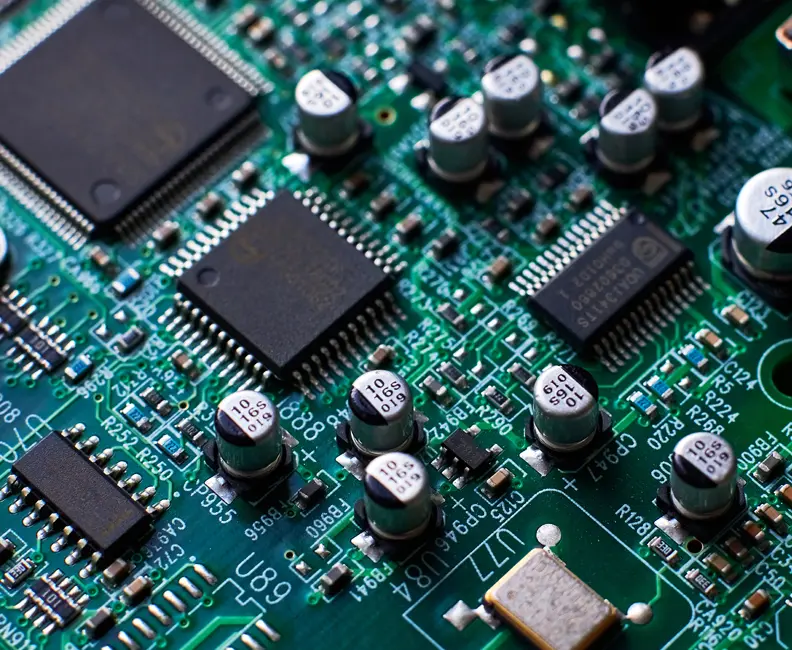
Profiting From Spare Capacity
We helped a US electronic component manufacturer identify profitable new products to fill spare production capacity, auditing their capabilities, prioritising 10 market opportunities, and upskilling their engineering team to develop a new technology line.
Read More