


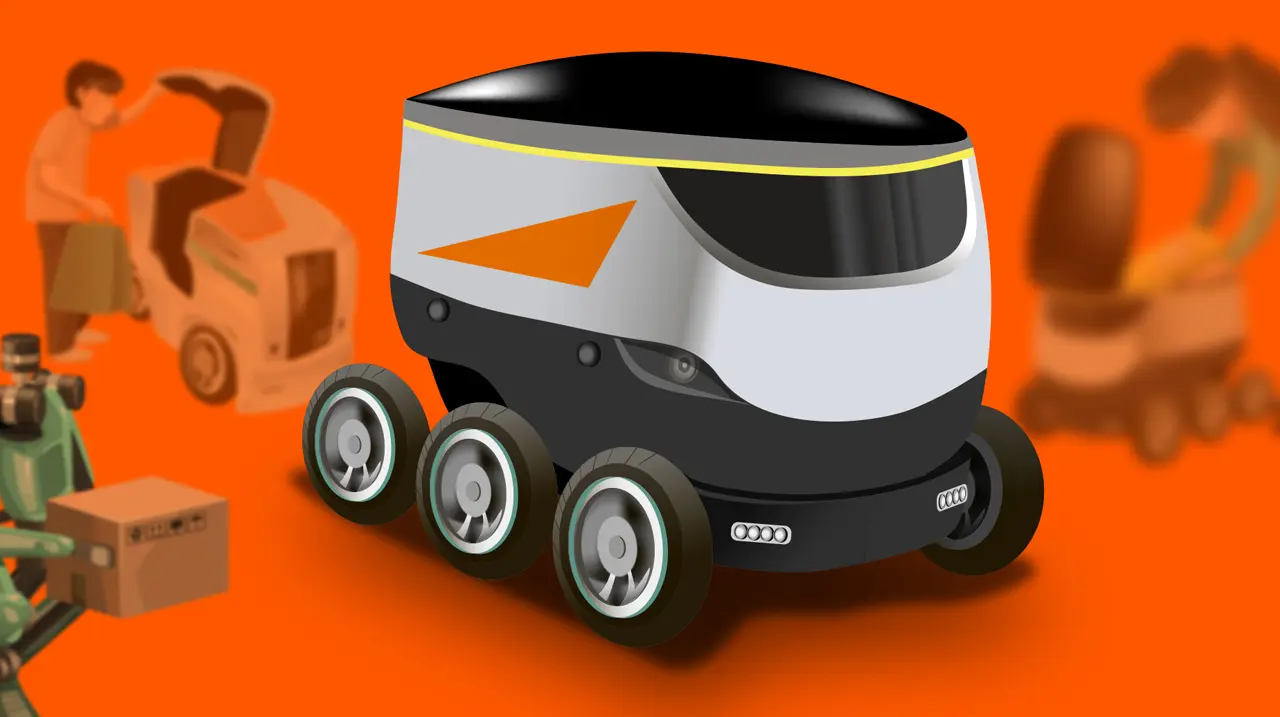
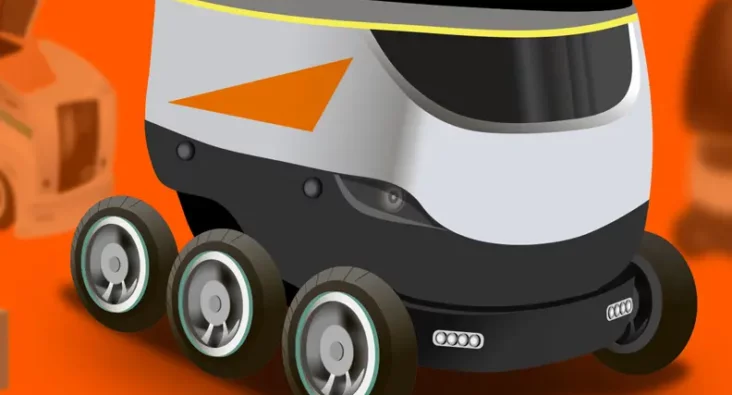
It’s likely that in future, we will see an abundance of robots on pavements or sidewalks. With advancements in autonomy, robotic systems are becoming ever more common in various industries, including delivery and transportation. In many residential areas, robot delivery vehicles now trundle on pavements daily. These robots typically use sensors such as cameras, GPS, LiDAR and other technologies to navigate and can communicate with the delivery recipients via a smartphone app. Experts predict that soon it will be normal in almost every major city to be sharing pavements with such robots.
In densely populated urban areas, the use of robots for delivery could help reduce traffic congestion and improve efficiency. For example, companies like Starship Technologies are already operating fleets of over 2,700 robots across more than 270 locations globally, having completed over 9 million deliveries. In the UK alone, Starship robots are now operating in Cambridge, Leeds, Northampton, Bedford, and Greater Manchester, having completed over 500,000 deliveries by 2024. They may eventually outcompete the likes of Deliveroo and Royal Mail. From a management perspective, robot maintenance doesn’t involve salary, sick pay, pension or national insurance contributions.
The global delivery robot market is projected to grow from approximately $796 million in 2025 to $3.24 billion by 2030, representing a compound annual growth rate of around 32%. As companies seek ways to automate and optimise their delivery operations, more organisations are investigating how automated systems can benefit their operations:
- Cost savings: Delivery robots can reduce manual labour costs associated with traditional delivery methods.
- Improved efficiency: Delivery robots have the potential to deliver items faster and more frequently than humans.
- Reduced environmental impact: Delivery robots can reduce the carbon footprint associated with deliveries by using electric power instead of petrol/diesel. If the human and associated safety/infotainment features are removed, there is also less weight/energy to transport.
- Increased accessibility: Delivery robots can deliver goods to areas that are difficult or impossible for traditional delivery vehicles to reach, such as narrow streets or pedestrian-only areas. Taking this one step further, delivery robots can also be used to deliver key supplies in war torn/disaster areas where it is unsafe for a human to pass.
However, the deployment of robots on pavements also raises questions about safety, accessibility, and regulations. It’s important to consider how robots can coexist with pedestrians and other vehicles on the pavement without causing accidents or disruptions. As one example, observers have noted instances where 45 kg robots patiently waiting to cross busy streets haven’t left enough room for pedestrians with pushchairs to pass behind them. So, whilst robotic systems provide a significant advantage to human society, especially with around the clock delivery services, understanding how they can co-exist with us on our travel networks is essential.
Regulatory frameworks also remain a challenge. In the UK, the Highways Act 1835 – which does not allow carriages to operate on pavements – creates legal uncertainty that could hinder investment in delivery robot infrastructure.
Industrial designers have raised concerns about the design of delivery robots: “with any new product, the design should be functional but also explore the relationship between human and the technology. How do pedestrians interact with delivery robots, do they feel safe sharing their pavements with them? Will they respond to a pedestrian’s requests to politely move out of the way?
“Currently robotic delivery systems are suggested as low level transportation vehicles, wide in stature, a low centre of gravity with a number of wheels. This is for obvious reasons, but is this the right approach? They can be hard to see and take up valuable pavement retail space. Due to the safety aspects associated with the current design, delivery companies have tried to compensate by introducing high visibility lights and tall warning flags. Could the product architecture change however to minimise the pavement space they occupy? Could we begin to see taller, thinner and human height eye level visible units, possibly using gyroscope technologies to enable the balance of a large mass, similar to those of the self-balancing single wheel scooters that are highly moveable and can travel at good speeds.”
Overall, while it’s likely that we will have to routinely share pavements with robots in the future, it’s crucial to carefully evaluate the benefits, risks and regulatory frameworks before implementing them widely.

How the Right Human Element Decides Who Wins the Innovation Race
Data Without Worldview is Meaningless

Innovation Strategies in Times of Scarcity
When scarcity reshapes the business landscape, how can innovation move forward?
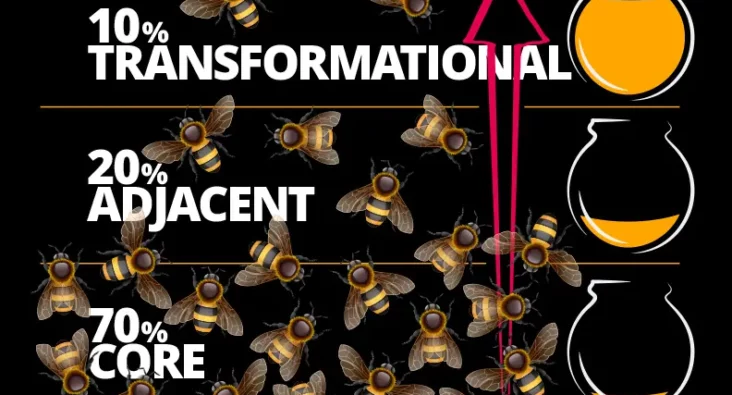
Why your innovation team is no longer innovating
Why Innovation Teams Stop Innovating: The Core Business Trap

Sustainable Disruption
Sustainable Innovation Through Disruption: Breaking the Business-as-Usual Mould

Critical Friend: Accelerating Innovation
Critical Friend for Innovation: 7 Ways to Accelerate Business Growth

An observation about innovation collaborations
Why You Can't Outsource Strategic Innovation: The Collaboration Imperative

Why do we need diversity to drive innovation?
Why Gender Diversity Drives Innovation: Leadership Statistics and Business Benefits

7 insights for creating successful IoT products
7 Principles for Successful IoT Product Development Without Gimmicks

43 Quintillion Types of Innovation
43 Quintillion Types of Innovation: What Rubik's Cubes Teach Us About Problem-Solving

4 important ways to set your innovation team up for success
How to Set Up Your Innovation Team for Success: 4 Critical Factors
Our pavements will be crowded with robots
Delivery Robots on Pavements: Benefits, Challenges and Design Innovation

Rethinking Waste: When By-Products Become Resources
Rethinking Waste: Why By-Products Are Resources, Not Rubbish
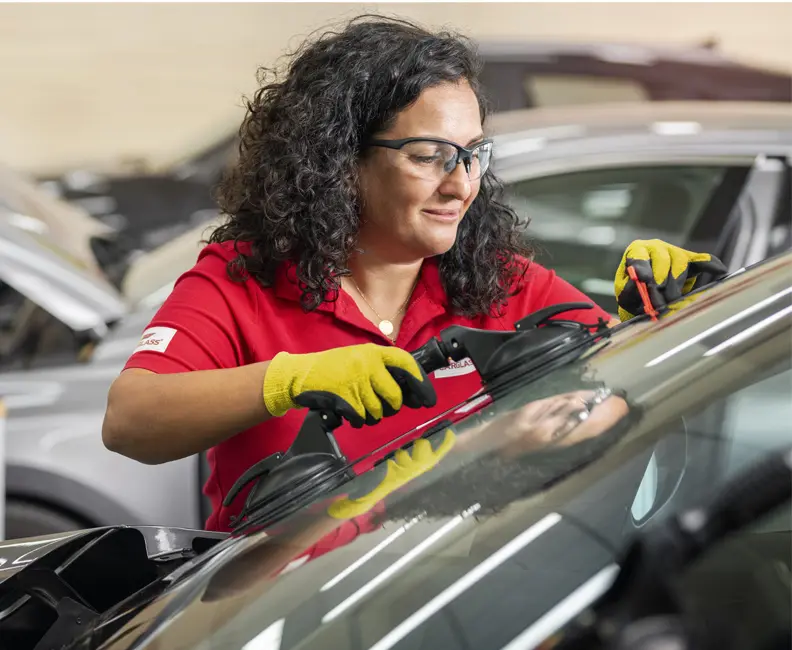
Innovation to reduce sharps hazards at Belron
A challenge was set by Belron’s global operations to make razor blades significantly safer, without compromising the quality of windscreen repairs.
Read More

From Insights to Strategy to Design with Spinbrush
Discover how we enabled Spinbrush to use consumer insights to innovate and excel in the competitive powered toothbrush market with our strategic approach.
Read More

The Future of Plastic Packaging for Klöckner Pentaplast
Exploring the future of fresh food packaging with Klöckner Pentaplast. Read how our innovative strategies helped balance enhancing sustainability whilst meeting consumer demands.
Read More

Facilitating CamelBak’s connected product innovation strategy
Facilitating CamelBak's strategic innovation shift towards connected products by hosting a Learning Exchange with industry experts, shaping a confident future direction for the brand's digital integration.
Read More

Strategic Alignment for Global Veterinary Brand, Vetoquinol
Discover how Ignite Exponential help Vetoquinol maintain market dominance with robust, innovative life cycle management planning.
Read More

New central innovation group for Pentland Brands
We rebuilt Pentland Brands' central innovation function, creating the structure, process and vision needed to drive transformative growth across Speedo, Berghaus, Endura and Mitre.
Read More

Driving growth & enhanced experience at Kimberly-Clark
We helped Kimberly-Clark learn from non-competing industry leaders about how best to drive sustainability transformation –and to build its own evidence-based transformation strategy.
Read More

Innovation Design: New technology to transform luxury products
Successfully integrating a new technology within a luxury brand's product line, significantly enhancing consumer experience and setting a benchmark for future energy-efficient innovations.
Read More
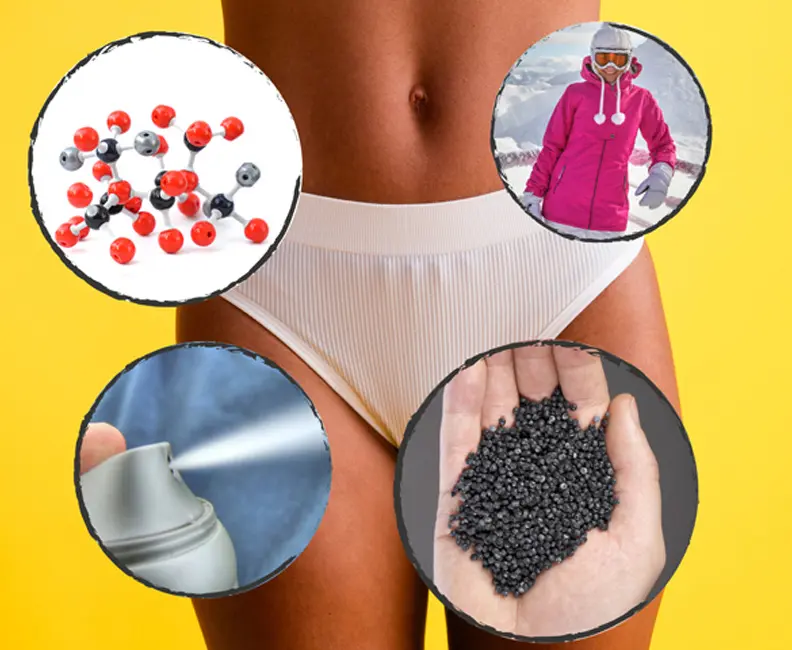
Expanding FemTech Innovation for MAS Holdings
We helped MAS Holdings' FemTech division Femography identify strategic brand partnerships to develop innovative technology platforms for washable absorbent underwear, maternity wear, and anti-flush menopause clothing across the feminine health market.
Read More

Transforming the product assembly experience with fitness giant, iFIT
Explore how we enhanced the product assembly experience by focusing on innovative techniques and user-centric strategies.
Read More

Revolutionising Cold Chain Logistics for Celsius
We helped Celsius revolutionise cold chain logistics by creating demonstration videos and interactive UI prototypes that secured investor funding and customer validation for their digital platform connecting food and pharmaceutical distributors with unused storage capacity.
Read More

Profiting From Spare Capacity
We helped a US electronic component manufacturer identify profitable new products to fill spare production capacity, auditing their capabilities, prioritising 10 market opportunities, and upskilling their engineering team to develop a new technology line.
Read More